

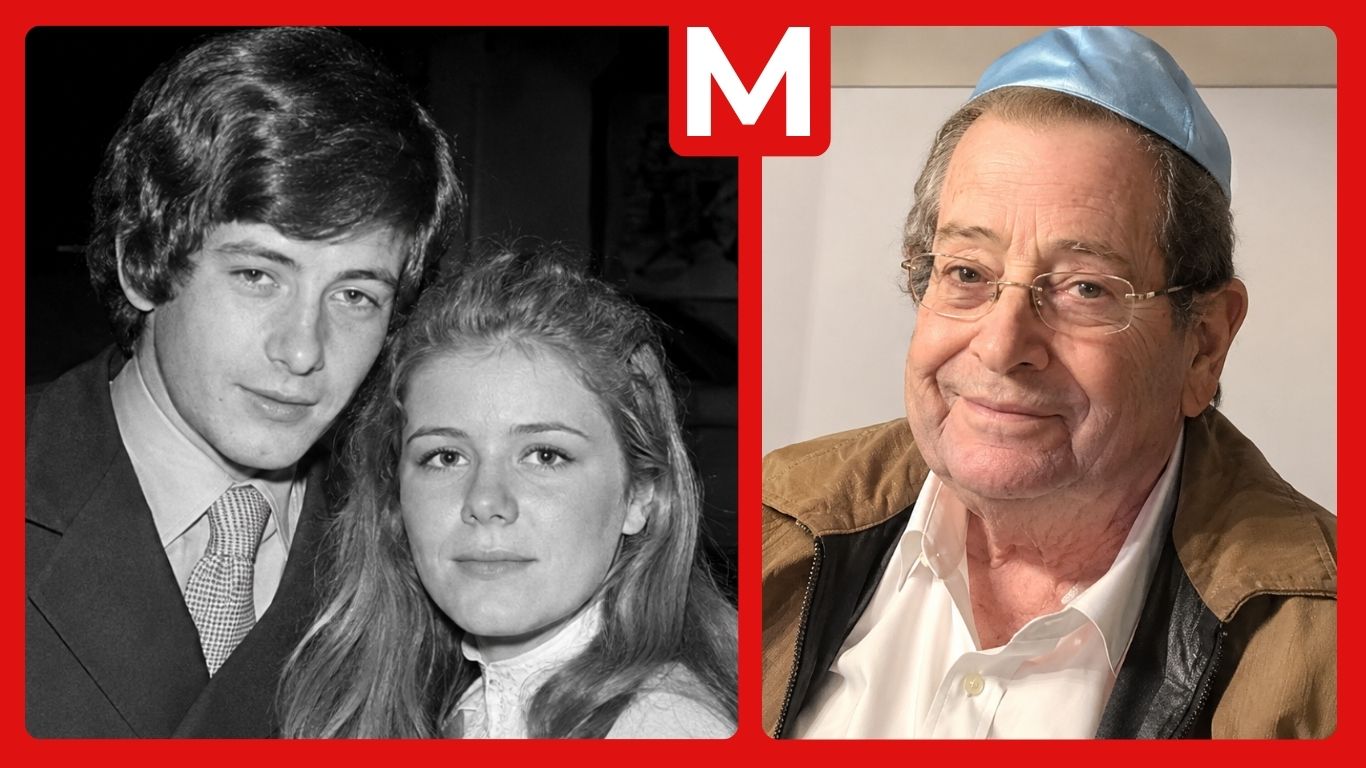
The life of michael tell is a remarkable American story that balances on the edge of high-profile Hollywood drama and deep, quiet community dedication. While millions of pop culture fans recognize his name through a sudden twist in celebrity family trees, his true footprint extends far beyond a brief encounter with a movie star. He was a visionary who helped reshape the musical history of the American West before dedicating his later decades to preserving local history. Understanding his full journey requires looking past the sensational tabloids of yesteryear and exploring the character of a man who moved effortlessly between roaring rock arenas and quiet print shops.
For decades, the public viewed him through a singular, narrow lens, often treating his identity as a mere footnote in a famous actress’s biography. Yet, those who knew him personally in his hometown of Las Vegas understood that his life was defined by independent ambition, intense work ethic, and a profound commitment to family legacy. From booking iconic rock bands on makeshift stages to single-handedly keeping a regional newspaper alive, he built a life that was completely self-made. By exploring his private history, we reveal a complex figure who never sought out fame, yet constantly found himself intersecting with some of the most historic cultural movements of the late twentieth century.
The 13-Day Marriage: How Michael Tell and Patty Duke Met
The sudden intersection of Hollywood glamour and private citizen occurred in the summer of 1970 when Oscar-winning actress Patty Duke crossed paths with the young music promoter. At the time, michael tell was living in a bustling neighborhood in Los Angeles and happened to be subletting his apartment to the celebrated star. Duke was quietly enduring an incredibly turbulent period in her personal life, navigating severe emotional highs and lows that would only years later be formally diagnosed as bipolar disorder. Amidst this emotional whirlwind, she discovered she was pregnant and faced the daunting reality of a massive media scandal in an era that was highly unforgiving of single mothers.
Seeing a friend in deep distress and facing the judgment of a ruthless entertainment press, he stepped forward with a chivalrous, if highly impulsive, solution to her crisis. He offered to marry the pregnant actress simply to provide a legal shield against the prying eyes of the Hollywood paparazzi and to protect her public reputation. It was a decision born out of immediate empathy rather than long-term planning, a protective gesture from a man who operated comfortably outside the Hollywood system. Duke accepted the arrangement, and the two quickly prepared for a quiet wedding ceremony that would instantly trigger a wave of curiosity across the entertainment world.
An Nullified Beginning: The Fallout of the June 1970 Wedding
The wedding took place on June 26, 1970, instantly sending shockwaves through the celebrity gossip columns of the United States. However, the sheer pressure of Patty Duke’s chaotic public life, combined with the hasty nature of their arrangement, meant the marriage stood little chance of survival. Almost as soon as the vows were spoken, both parties recognized that the impulsive union could not withstand the reality of their vastly different worlds. The intense media scrutiny only added to the strain, making it clear that their defensive strategy had transformed into a complex situation of its own.
Recognizing the impracticality of their arrangement, the couple mutually decided to end the marriage almost immediately after it began. On July 9, 1970, just thirteen days after walking down the aisle, their union was officially annulled before the child was even born. Following the legal separation, michael tell made a conscious choice to step entirely away from the glitz, glamour, and drama of the Southern California spotlight. He returned to his private life and professional pursuits, leaving the Hollywood rumor mills behind and assuming that his brief brush with celebrity history had officially come to an end.
The 23-Year Secret: The Shocking Paternity of Sean Astin
In February 1971, Patty Duke gave birth to a son, Sean, an event that set off decades of public speculation regarding the child’s true biological father. Because of the actress’s complex relationships during that period of her life, the media initially reported that popular entertainer Desi Arnaz Jr. was the father. Later, as life stabilized, Duke came to believe that acclaimed actor John Astin, whom she married in 1972, was the actual biological parent. John Astin legally adopted young Sean, giving him his last name and raising him with unconditional love and steadfast parental guidance through his childhood.
For twenty-three years, Sean Astin grew up building a highly successful acting career of his own, starring in beloved classics like The Goonies and Rudy, completely unaware of his true ancestry. The secret remained buried beneath years of family assumptions and media narratives, with no one suspecting that a quiet publisher in Nevada held the answer. The world accepted the established Hollywood family tree, and Sean himself had no reason to question the identity of the man who had loved and raised him since infancy. It was a peaceful status quo that would remain completely undisturbed until an unexpected encounter in the mid-1990s changed everything.
The 1994 DNA Test That Redefined a Hollywood Family Tree
The decades-old mystery finally began to unravel in 1994 due to a remarkable twist of fate and a chance conversation. Sean Astin happened to cross paths with a young woman who turned out to be the biological niece of michael tell, and she mentioned the striking physical similarities and historical connections between their families. Intrigued and seeking absolute clarity about his own identity, the twenty-three-year-old actor decided to pursue definitive answers using modern genetic science. He reached out to all three men who had been linked to his mother’s past—Desi Arnaz Jr., John Astin, and Tell—and requested their participation in DNA paternity testing.
The scientific analysis yielded a conclusion that stunned the extended family and completely rewrote Hollywood lore. The genetic markers proved with absolute certainty that michael tell was the biological father of Sean Astin, resolving the multi-decade mystery in a single afternoon. Rather than causing division or resentment, the revelation was met with an outpouring of maturity, grace, and mutual respect from everyone involved. The men chose to handle the surprising news not as a source of scandal, but as an opportunity to expand their family circle and offer support to the young actor seeking his roots.
“Four Dads”: Sean Astin’s Unique Bond with Michael Tell
Following the results of the genetic test, Sean Astin adopted a beautifully holistic and widely praised philosophy regarding his complex family structure, famously referring to his unique support system as his “four dads.” This group included John Astin, Desi Arnaz Jr., his mother’s later husband Mike Pearce, and his biological father. While Sean consistently emphasized that John Astin remained his true father in terms of upbringing and daily emotional development, he opened his heart to building a meaningful, independent relationship with his biological dad over the subsequent decades.
Away from the intrusive cameras of Hollywood, michael tell and his biological son developed a warm, quiet, and deeply supportive relationship that endured for the rest of his life. He watched with immense pride as Sean’s acting career reached global heights with The Lord of the Rings trilogy, and he deeply cherished his role as a grandfather to Sean’s three daughters. This private bond served as a powerful testament to their shared resilience, proving that love and family identity could bloom beautifully even when discovered later in life under the most unusual circumstances.
Before the Headlines: Michael Tell’s Early Life and Move to Nevada
Long before his name was ever spoken in connection with Oscar-winning actresses, he was a young man growing up with deep roots in the print industry. Born to Jack and Beatrice Tell, he spent his earliest childhood years navigating the energetic streets of New York City alongside his two older brothers. His father, Jack, was a highly respected photo editor for The New York Times who possessed an intense, lifelong dream of moving out west to purchase, own, and independently operate his very own community publication.
That dream became a reality when Michael was just sixteen years old, as his father moved the family across the country to Northern Nevada after buying the historic Territorial Enterprise newspaper in Virginia City. The teenager regularly commuted with his father to help manage the printing press, absorbing the rugged atmosphere of an area that still felt very much like the old American frontier. Although that initial business venture proved short-lived, it instilled a deep love for Nevada in the young man, setting the stage for the family’s relocation to the growing desert city of Las Vegas.
Plywood on Ice: When Michael Tell Brought Rock Royalty to Las Vegas
Arriving in Las Vegas during the mid-1960s with very little financial backing, the young entrepreneur quickly demonstrated an incredible knack for the entertainment business. In 1961, at a remarkably young age, he successfully launched a local teenage nightclub known as the Twin Lakes Twist, which provided a safe, alcohol-free haven for local youth. Operating on a shoestring budget, he used his natural charisma to persuade major stars like Wayne Newton and Bobby Darin to perform at the venue, earning widespread respect across the city’s entertainment community.
Building on this early success, he established Mike Tell Productions and became one of the most daring rock-and-roll concert promoters in the Southwest between 1968 and 1972. He single-handedly altered the musical landscape of Las Vegas by booking massive, revolutionary rock acts that typically avoided the casino-dominated city. He famously promoted legendary local concerts for iconic artists such as Jimi Hendrix, Led Zeppelin, Black Sabbath, and The Doors—who famously performed an unforgettable set on raw plywood sheets laid directly over the freezing floor of the old Las Vegas Ice Palace.
Stepping Out of the Music Business: A Dangerous Turn of Events
As his reputation soared, michael tell expanded his concert promotion business into the highly competitive and lucrative market of Los Angeles, rapidly becoming one of the premier independent promoters in the country. He managed massive stadium shows and handled complex logistics for the era’s biggest musical icons, operating at the absolute peak of the industry. However, the 1970s music business was also notoriously chaotic, high-stress, and occasionally dangerous, filled with volatile personalities and intense financial pressures that began to weigh heavily on his personal well-being.
The absolute turning point in his music career occurred during a high-stakes booking event for legendary soul singer Al Green. During a tense confrontation over financial terms and contract details, he found himself staring down the barrel of a loaded gun held by an unstable associate. The terrifying experience shook him to his core, forcing him to re-evaluate his priorities and look closely at the inherent dangers of the rock-and-roll lifestyle. Valuing his peace of mind over industry status, he made the brave decision to walk away from concert promotion permanently, leaving the music world behind to seek a more grounded purpose.
The Las Vegas Israelite: Preserving a Multigenerational Publishing Legacy
In 1979, following the sad passing of his father, he found his true lifelong calling by returning home to assume full control of the family business, The Las Vegas Israelite. Founded by his parents in 1965, the English-language newspaper served as a vital cultural lifeline and informational hub for Southern Nevada’s rapidly growing Jewish community. He stepped into the demanding roles of editor and publisher with immense dedication, famously declaring to friends and local leaders that he was essentially “married to the newspaper.”
Over the next four decades, michael tell poured his heart and soul into the publication, ensuring that local families remained deeply connected to their heritage, faith, and neighbors. Under his steady guidance, the paper transitioned from covering broad international stories to focusing intensely on the heartbeat, achievements, and daily lives of the local Las Vegas community. His unwavering commitment preserved an essential institution, keeping the printing presses running through economic shifts and digital transitions, ensuring his family’s proud journalistic legacy remained fully intact for the next generation.
The Legacy of Michael Tell: Remembering the Prolific Nevada Newsman
On April 6, 2025, the long and exceptionally vibrant journey of michael tell came to a peaceful close when he passed away at the age of eighty. His passing marked the definitive end of an era for Nevada journalism, triggering a profound wave of tributes and fond remembrances from community leaders, journalists, and everyday citizens across the state. Prominent figures, including former Las Vegas Mayor Shelley Berkley, publicly lauded his decades of selfless service, noting that he had single-handedly kept the community’s voice alive through sheer willpower and dedication.
Ultimately, his life stood as a beautiful masterclass in how to handle both unexpected fame and quiet everyday duty with equal amounts of integrity and poise. He left behind a thriving publication, a deeply grateful community, and a proud, loving son who continues to honor his biological roots. He lived his life guided by a beautiful personal philosophy that he frequently shared with his loved ones: “Be like water and flow; everything will come to you when it’s meant to come to you.” It is a lasting perspective that perfectly encapsulates a man who navigated the storms of Hollywood and the demands of business with absolute grace.
Read More: Charles Ezekiel Mozes
FAQs
Who was the biological father of Sean Astin?
For many years, the public was uncertain about the actor’s true parentage due to his mother’s complex personal history. However, a conclusive DNA test performed in 1994 proved that michael tell was the biological father of actor Sean Astin.
How long were Michael Tell and Patty Duke married?
The defensive marriage between the two individuals was incredibly brief, intended primarily to protect the actress from a severe public scandal. The couple wed on June 26, 1970, and received an official legal annulment just 13 days later on July 9, 1970.
What newspaper did Michael Tell publish?
Following the death of his father Jack in 1979, he spent more than forty years serving as the dedicated editor and publisher of The Las Vegas Israelite, which remains the premier Jewish-English newspaper in Southern Nevada.
